
Marine heatwaves are associated with a myriad of impacts on coastal and open ocean ecosystems, influencing the relationship between symbionts, disease emergence and prevalence, and impacting biogeochemically significant microbial activities. In summer 2023, and unprecedented marine heatwave hit the Caribbean region, resulting in mass coral bleaching. The event led to recalibration and recalculation of heat warning by government agencies. Despite recognition that these events deleteriously impact biota, there is little information on how such departures from normal interannual variation may impact the composition of microbial communities, nor their activities, in coastal waters.
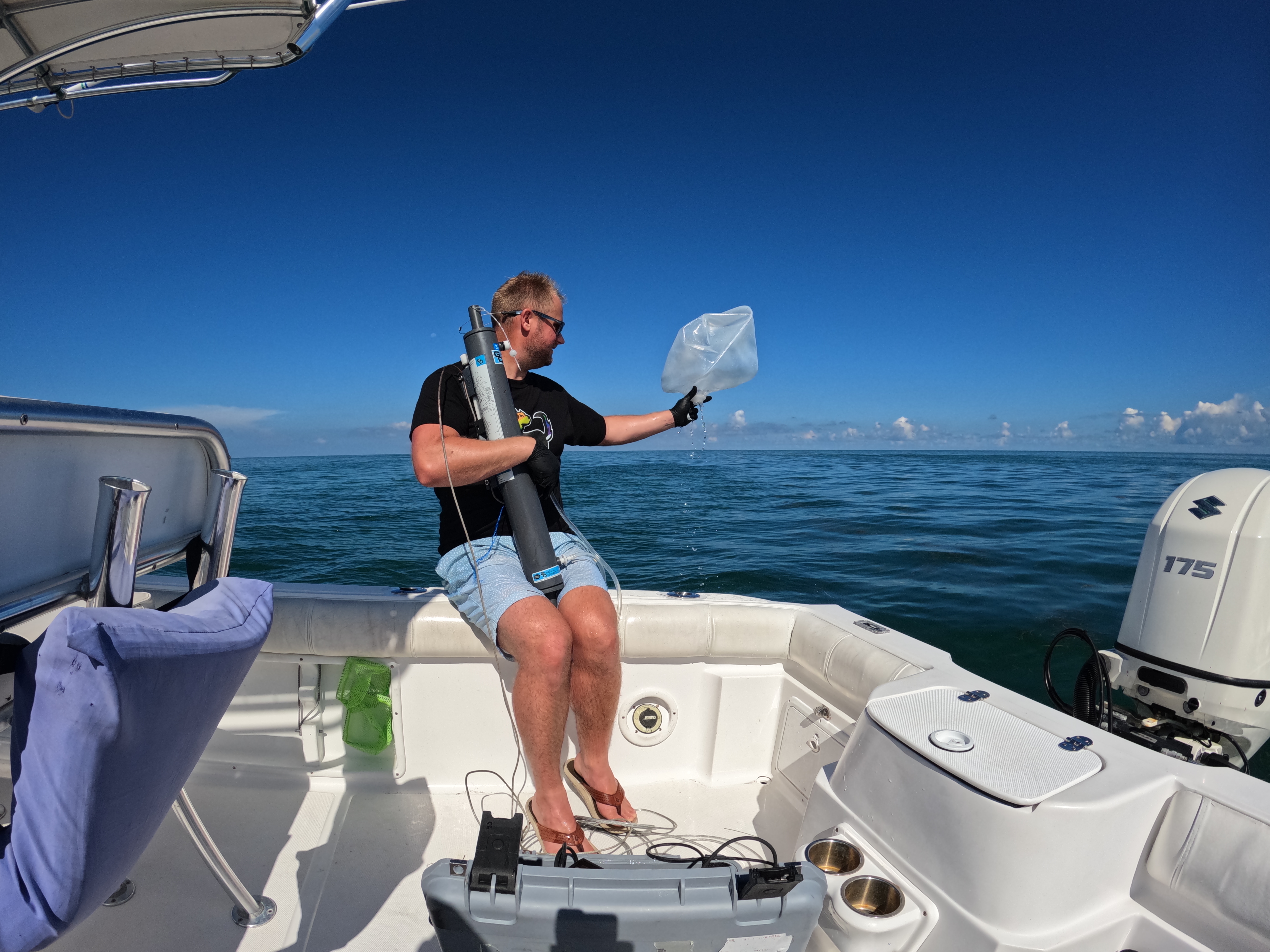
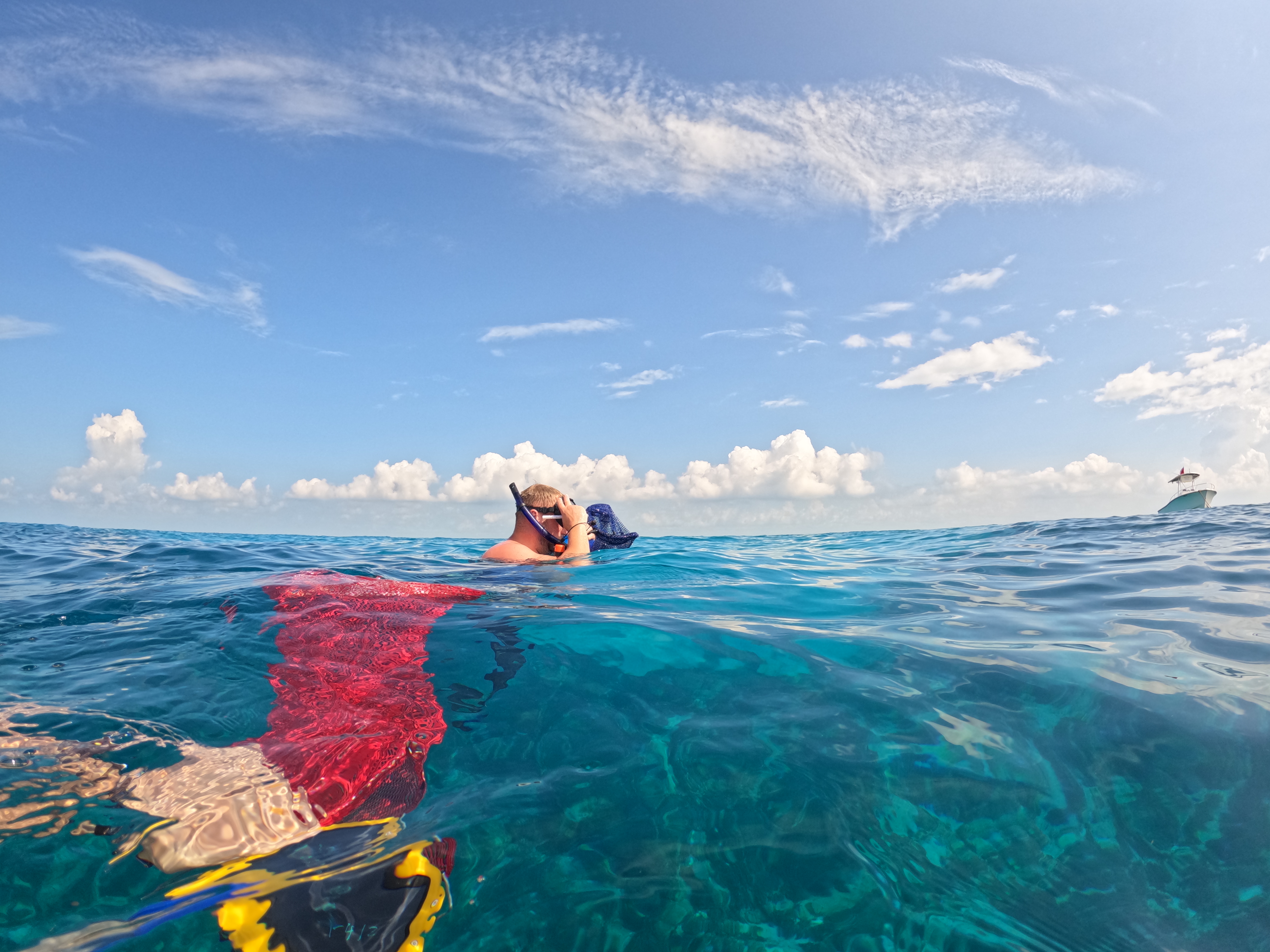
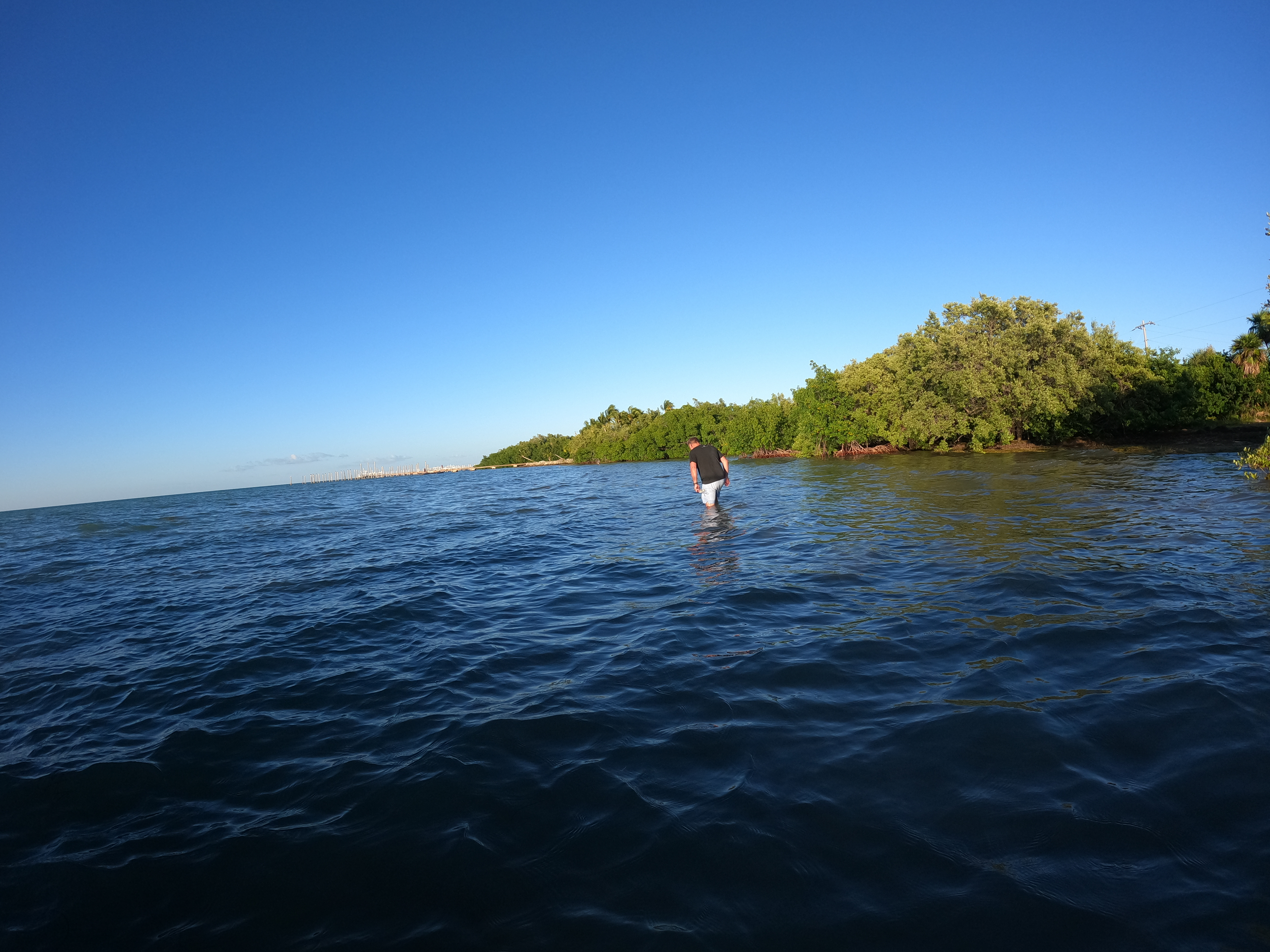
In a collaboration with Michael Henson (Northern Illinois University), the team has sampled two transects (4 sites per transect) over a time course (~3 monthly) to understand these impacts. The focus of this work is on bacterioplankton (bacteria and archaea suspended in the water column), which process organic C and facilitate remineralization of inorganic nutrients. The transects, which run from the Florida Reef to Florida Bay, assess a range of productivity and microbial composition. Furthermore, we sampled a nearshore site on the Florida Bay side of Grassy Key, which also allows us to examine how microbial activities influence host-associated microbial communities and the ecology of the Diadema antillarum scuticociliatosis Philaster clade (DaScPc). We hope to secure funding that will allow us to perform high throughput sequencing of collected samples and extend the time series beyond its current 18 months.


 Cornell Marine Mass Mortality Laboratory