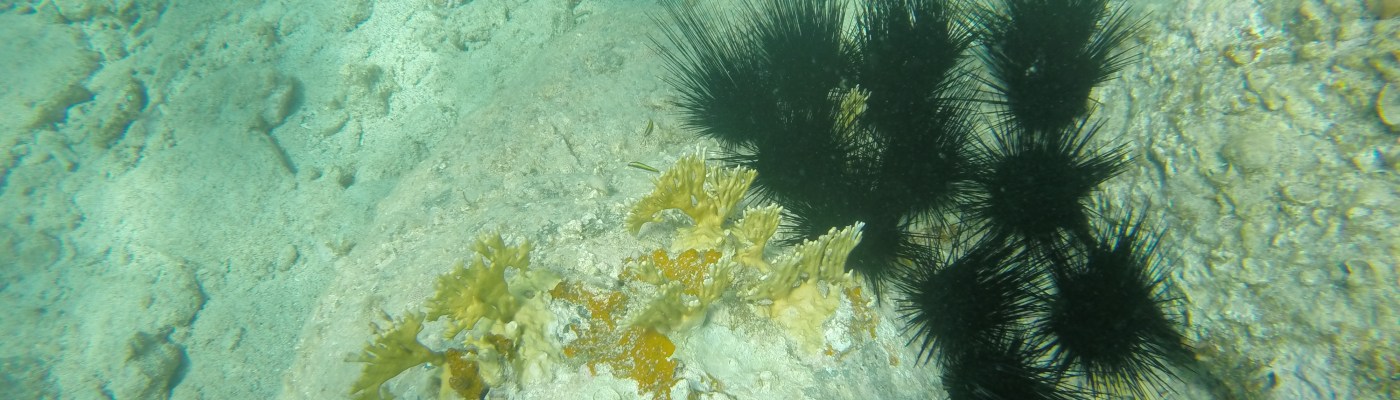
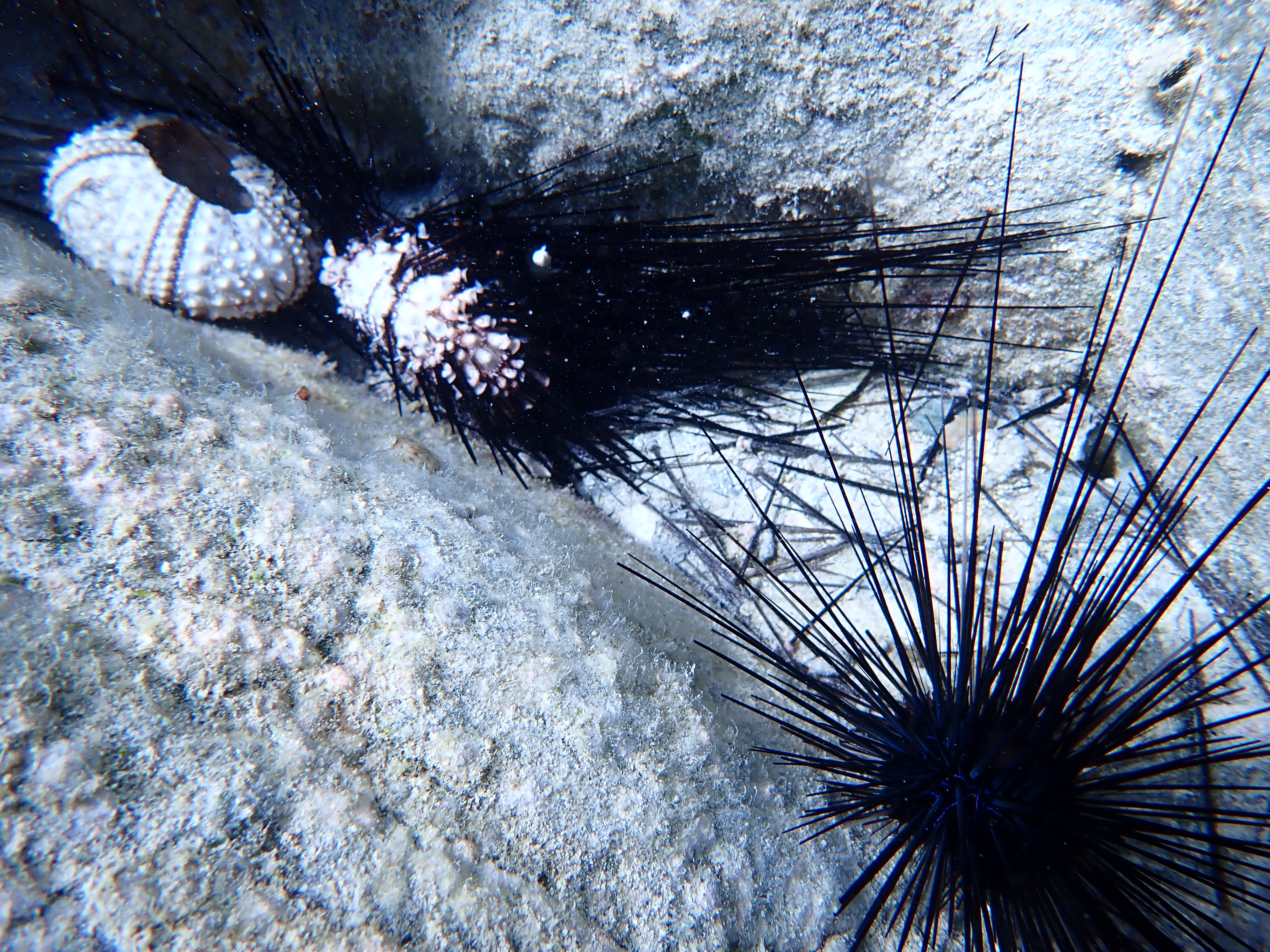
Between 2022 and the present, sea urchin species belonging to the family Diadematidae have experienced mass mortality events globally. Our research team fulfilled Koch’s postulates to identify a scuticociliate most closely related to Philaster apodigitiformis (hereafter referred to as DaScPc) as the causative agent of the 2022 mass mortality in Diadema antillarum in the Caribbean and termed the disease Diadema antillarum scuticociliatosis (DaSc). Subsequently, DaScPc has been shown to cause scuticociliatosis in several additional diadematoid urchin species in geographically disparate regions, including the Gulf of Oman, the Red Sea, and the Western Indian Ocean (Réunion Island). As one of the few marine invertebrate diseases with a known etiological agent that can be grown in culture, we are uniquely positioned to examine the dynamic interactions between the pathogen (DaScPc) and the host (Diadema) in the context of environmental conditions with these specific aims:
Aim 1: Identify environmental reservoirs of DaScPc and factors involved in re-emergence
H1a: Corals act as DaScPc reservoirs, where DaScPc abundance correlates with environmental conditions.
H1b: High-productivity environments facilitate DaScPc re-emergence from coral reservoirs, increasing the risk of infection in urchins.
Aim 2: Define the dietary preferences, growth conditions, and interaction of DaScPc with host microbiome composition
H2a: Organic matter enrichment enhances DaScPc growth.
H2b: DaScPc preferentially consumes copiotrophic bacteria typical of degraded, eutrophic reefs.
H2c: The susceptibility of Diadema antillarum to DaScPc is mediated by microbiome composition.
The overarching goal of this proposal is to synthesize information from these aims to conceptualize the interactions between environmental, ciliate, and host factors that result in mass mortality due to scuticociliatosis.
This project is relevant to the Biological Oceanography panel since it will generate a new understanding of how variable environmental conditions affect pathogen-host interactions. The project integrates cultivation-based approaches with field and aquaria experiments to understand this disease further and provide managers with crucial information to mitigate future risks. Furthermore, the project is extremely urgent since the condition has already spread worldwide and will likely manifest in additional regions in the coming years.
 Cornell Marine Mass Mortality Laboratory