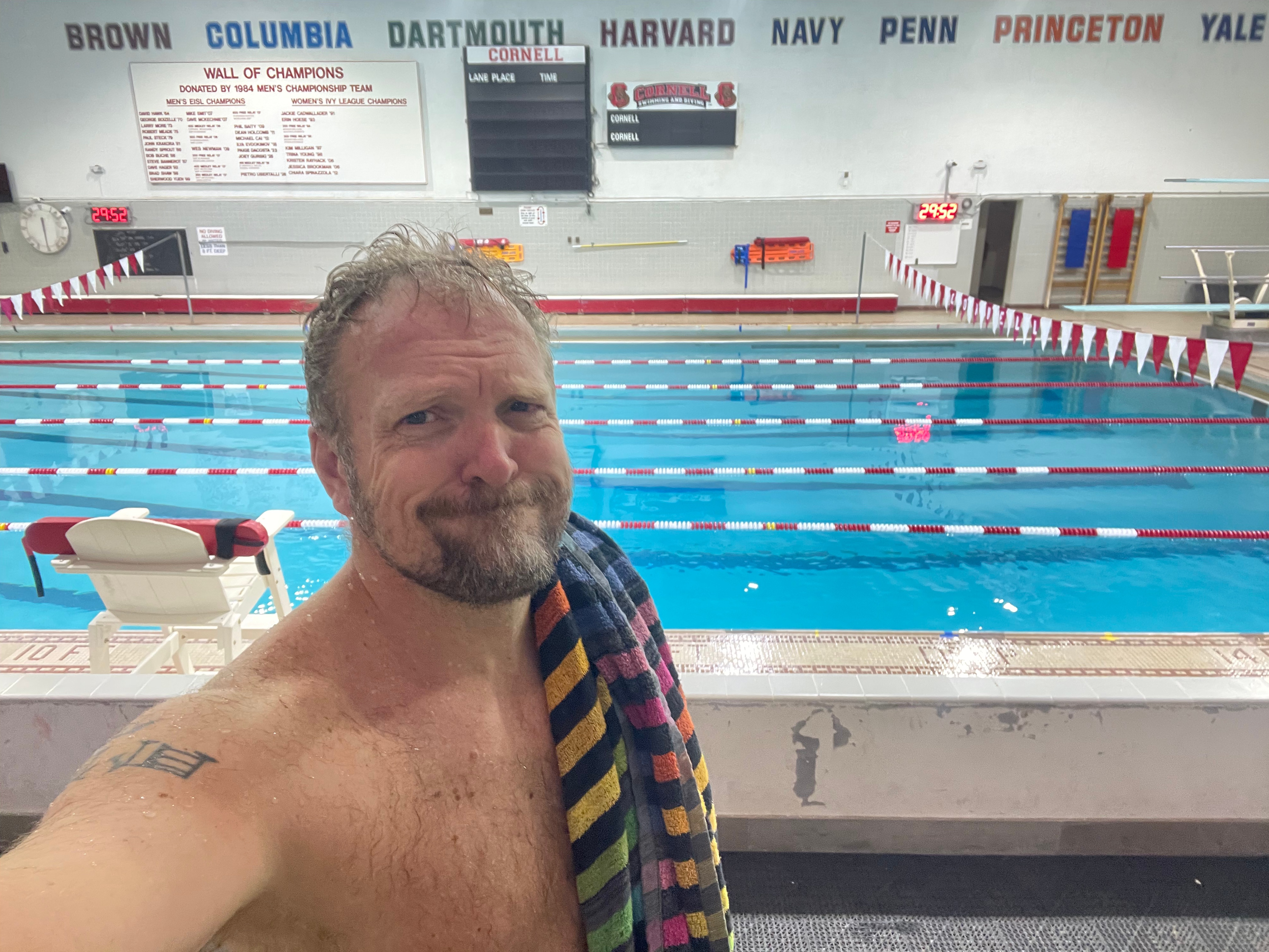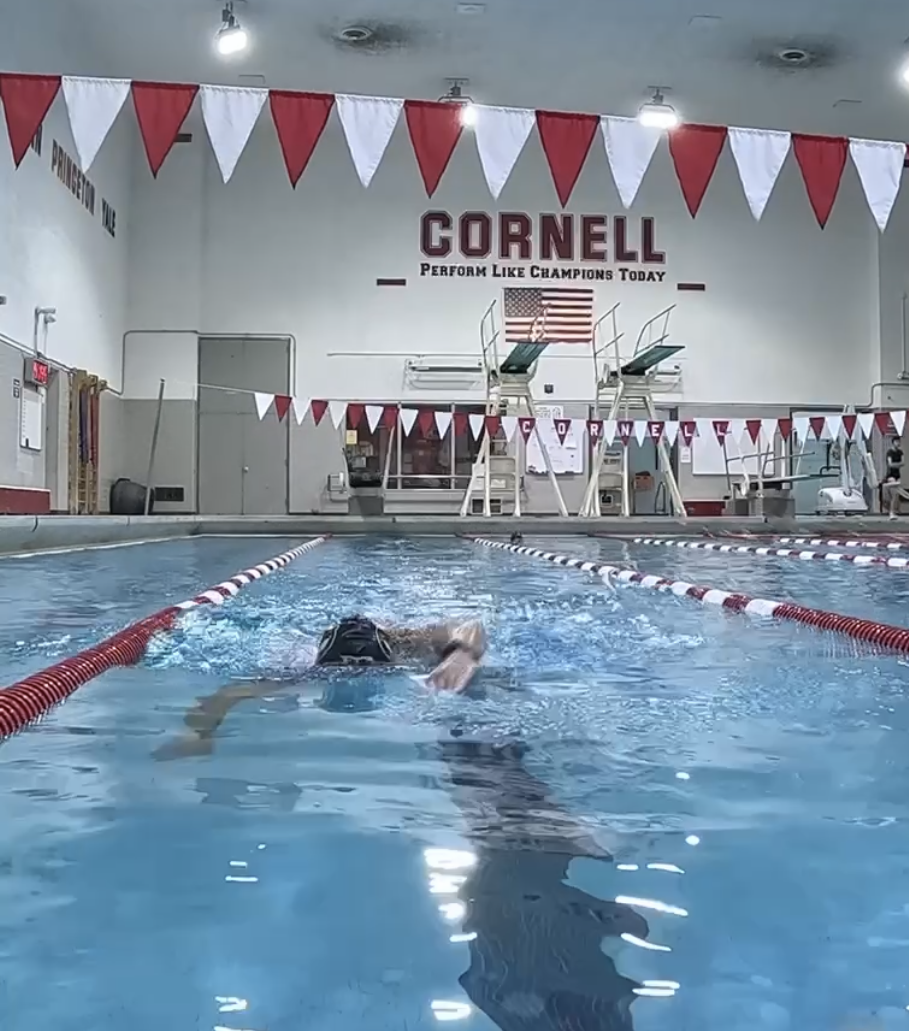
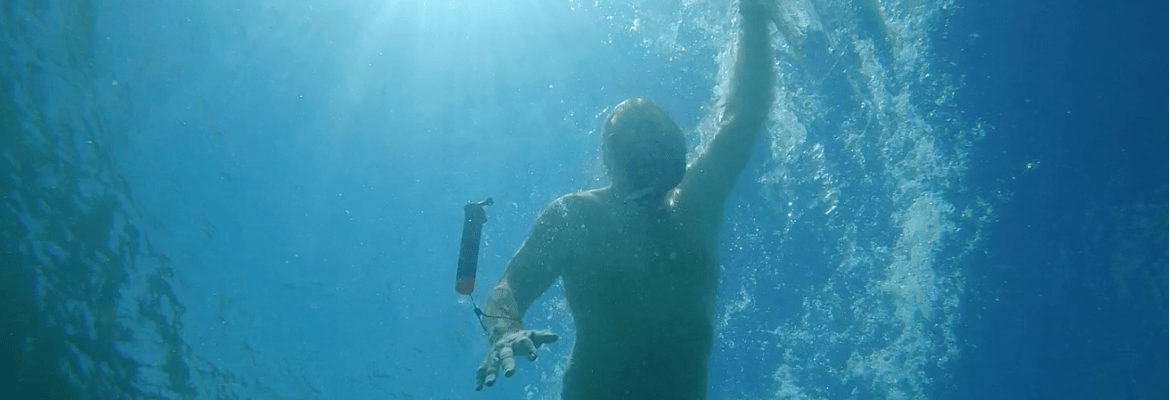
Two of my passions outside of science are swimming and water polo. This isn’t just to keep my sanity, it’s to keep in shape for snorkeling during fieldwork. We are often in the water for 3 – 5 hours per day, sometimes in heavy swells, often collecting specimens by duck diving. While we don’t SCUBA dive for our work, we often are snorkeling or collecting in intertidal environments. Hence, water safety is extremely important! This isn’t to say you have to be comfortable in the water to be a part of the lab, but for safety it’s vital that you have comfort in and around water when participating in fieldwork involving being near or in the water.
If you haven’t yet learned or had the opportunity to learn to swim, or aren’t comfortable in the water, I highly recommend swim classes, which can be found at your local pool. Some of these are covered by state grants, so they’re low cost or no cost. Programs to learn water safety are also accessible. Cornell students have a variety of PE classes in aquatics they can take as well.
I recommend also lifesaving/guarding curricula equivalent to the Royal Lifesaving Society (Australia) Bronze Medallion.
I maintain a social media account IG @aquaticianswims where I post some workouts and what I do to prepare for fieldwork. I also help to teach PE1106 Introduction to Water Polo at Cornell.
If you’re interested in some workouts that I typically do before a stint of fieldwork, please reach out or follow my IG page!
Here’s a sample of a typical workout:
Warm up:
1 x 100 Freestyle 1:50
2 x 50 Back 1:10
4 x 50 Kick 1:10
2 x 25 Fly 0:40
Snorkel Prep Set 1 (2X):
4 x 50 Kick (front with board) 1:10
4 x 50 Fr pull (focus on stroke) 0:55
4 x 50 Kick (back) 1:10
4 x 50 pull (with snorkel) 0:55
Anaerobics:
6 x 50 Free (descend 4 breath –> 1 breath each 50) 1:00
Treading Water (x 2):
4 x 50 Eggbeater, alternate forward and back by 50 2:00
2 x 25 Fly 0:45
Swim Finish:
2 x 100 Fr Pull 1:50
2 x 50 Back 1:10
2 x 50 Fly 1:20
Cool Down:
4 x 50 choice 1:10